Bringing a rescue dog into a home with existing pets requires more than a quick introduction and hoping they get along. The safest way to introduce a new rescue dog is to assess their health and temperament, give them a separate space to settle in, and then introduce them to resident dogs gradually under close supervision.
Some dogs become companions quickly; others need weeks of careful management, and some may never be comfortable sharing the same space.
I learnt this through years of rescuing dogs and managing a multi-dog household. I’ve seen a tiny Indie puppy welcomed gently by my large Rottweiler, an unexpected friendship develop between two rescue dogs I thought might not get along, and dogs that lived peacefully together for years begin showing territorial aggression.
These experiences taught me one important lesson: a successful introduction isn’t about making every dog best friends. It’s about helping every dog feel safe.
Will Your Existing Dogs Accept a New Rescue?
The truth is, not every dog will welcome a new housemate with open paws.
Sometimes a successful introduction means two dogs playing together, sleeping beside each other and happily sharing their lives. And sometimes it simply means two dogs can exist in the same household without feeling the need to fight over space.
Both are successes.
I have a household with seven dogs. At one point, we had nine. And over the years, I’ve learnt that introducing a rescue isn’t about taking a new dog and simply adding it to the existing pack.
It is about understanding the dogs you already have, understanding the dog you’re bringing in, and being prepared to change your plan if the dogs tell you that your original plan isn’t working.
Common Mistake When Introducing a New Rescue Dog to Your Existing Dogs
One of the biggest mistakes is assuming that a friendly dog will automatically accept a new rescue into the household.
In my experience, a dog that is affectionate and friendly with humans may react very differently to an unfamiliar dog. Being friendly to people doesn’t necessarily mean that they’ll be comfortable around other dogs.
We often treat our dogs like children, and there is nothing wrong with loving your dog deeply or considering them family. But we also need to remember that at their core, dogs are animals.
They have territories, boundaries, individual personalities. They can guard food, sleeping spaces, toys or even particular areas of the house.
And unlike humans, dogs don’t necessarily have the emotional regulation to say, “I’m annoyed with my sibling, but I’ll walk away and not get into a fight.”
A small disagreement can escalate very quickly amongst dogs. And that is why I never believe in simply putting two dogs together and saying, “Let them sort it out.”
Because sometimes they will. But most times they won’t.
How I Introduced My most recent rescue to Our Existing dogs

When Coffee, our newest puppy, came home, I decided not to introduce her to all the adult dogs at once. I wanted to take things slowly and see which of the resident dogs she might get along with.
I decided to start with Belji, our previous rescue. Also hoping that spending time with a puppy would help Belji become more comfortable interacting with other dogs.
Coffee was barely 45 days old and in her teething phase. She’d bite and climb all over him. But to my surprise, Belji tolerated her puppy antics beautifully, gently correcting her when she went too far. Over the last few months, they’ve became genuine companions, and Belji finally has a playmate.
But Belji getting along with Coffee didn’t mean every dog would. My older rescued Labrador, Kiko, isn’t a fan of Coffee’s boundless energy, so we don’t force them to play together. Each dog has their own comfort level, and I’ve learnt to respect that.
That’s why it’s important to let dogs adjust at their own pace rather than expecting them to become friends immediately. The environment you choose for their first meeting can make a big difference, too.
Note to Paw-parents
Don’t let Instagram give you an unrealistic idea of what rescuing multiple dogs looks like. Those accounts with 10 or 15 dogs sleeping in one big pile may be lovely to watch, but real life isn’t always that picture-perfect. I’ve had dogs who adored puppies, dogs who wanted nothing to do with them, and dogs who lived peacefully together for years before things changed. Not every dog will become best friends, and that’s real life, too.
How to Safely Introduce a Rescue Dog to Your Existing Dogs
Give Dogs Space to Meet and Move Away
Introduce dogs in a spacious, secure area rather than a cramped room where they cannot move away from each other. During the meeting, watch for relaxed body language, normal sniffing and playful invitations. A stiff body, intense staring, repeated avoidance or one dog constantly pursuing the other can indicate discomfort. Don’t rely on a wagging tail alone; look at the whole dog and how both animals respond to each other.
Remember, the Introduction Takes Time
A first meeting that goes well doesn’t guarantee that two dogs will get along long-term. Continue observing them over the following days, especially around food, treats, beds, sofas and your attention. Even watch what happens when one dog leaves a room and returns (that is re-enters the territory). I also use security cameras to monitor my dogs’ spaces, but cameras don’t replace supervision when dogs are together. Their behaviour and tolerance can change, so be vigilant and keep adjusting your approach if there be need.
Feed Dogs Separately
I feed my dogs in separate bowls and eating spaces rather than making them share a common plate. This is especially important with rescued dogs who may have experienced food insecurity. Giving each dog a safe, separate place to eat reduces competition and helps prevent tension around food. If you cannot create separate feeding spaces, supervise carefully and prevent dogs from approaching each other’s meals.
Give Each Dog a Comfortable Sleeping Space

Every dog has different sleeping preferences. Coffee is crate-trained, Chikoo and Luna enjoy sleeping with me, while Bolt and Milo prefer their own kennel areas. I let each dog choose what makes them comfortable rather than expecting them all to sleep in the same way.
The goal is to give every dog a safe place to rest without feeling pressured to share it.
Don’t Rush a New Rescue into Your Existing Pack
Before introducing a rescue dog to your resident pets, arrange a veterinary assessment and check for infectious diseases, parasites, injuries, nutritional deficiencies and vaccination needs. Keep the newcomer separate until your vet advises that it’s safe to begin introductions.
We learnt this the hard way with Choco, one of our earliest rescued puppies. After a private veterinary hospital advised us to vaccinate him immediately, we discovered within two days that he had parvovirus. We tried every medical treatment available to save him, but sadly, we lost him within four days. Fighting parvo often depends heavily on a puppy’s ability to mount an effective immune response, alongside supportive veterinary care.
Our regular vet later explained that newly rescued puppies should not be vaccinated without first assessing their health. He advised a 3–5 day observation period to watch for signs of parvovirus, during which the puppy should be kept separate from existing pets. This experience taught us to prioritise veterinary assessment, disease monitoring and isolation before introducing a new rescue dog to the household.
Let Rescued Dogs Recover Before Introducing Them To Your Existing Pack
When we rescued Biscuit and Bruno, two young Indie dogs, they were severely malnourished and struggled to swallow food, often regurgitating their meals. We kept them separate for around six weeks while they recovered before introducing them to our other dogs.
Surprisingly, they got along beautifully with Milo, who can be territorial around other dogs. And the three would play together until Milo would be exhausted.
Consider Size, Age and Energy Levels

Our Rottweiler and Rajapalayam dog were remarkably gentle with Milo when he came in as a tiny Indie puppy. They would carefully lift their legs to avoid stepping on him, and both of them would stretch forward and invite Milo to play.
However, we never left Milo unattended with the large dogs. Whenever we stepped out, he stayed in the bedroom or in his crate while the adult dogs remained in their own areas. Even a gentle large dog can accidentally injure a tiny puppy, so it is important to supervise interactions and consider differences in size, age and energy.
Remember That Peaceful Coexistence Is Success
Not every dog will become best friends with a new rescue, and that’s okay. A successful introduction may simply mean they can share space, eat and sleep safely, walk past each other without tension, and play when they choose to.
I’d prefer to have two dogs who comfortably ignore each other than dogs who constantly interact while showing signs of aggression.
Signs Your Existing Dogs Are Uncomfortable with a New Rescue
A dog that isn’t comfortable with a new rescue won’t always bark or growl. Sometimes, the signs are subtle. Watch for a stiff body, turning away, avoiding the new dog or repeatedly trying to move away. These signals may indicate that your existing dog needs space, even if they aren’t showing obvious signs of aggression.
I’ve also learnt that compatibility can change. Milo and Bolt had lived together peacefully for three years. Bolt, our large Rottweiler, had always been gentle with Milo, who arrived as a tiny black-and-brown Indie puppy, adopted from the streets. But recently, Milo began showing aggression every time Bolt entered his space, and we eventually had to separate them.
Their experience taught me not to assume that because your rescue dogs gets along with your existing pet today, they will always remain compatible.
What to Do If Your Rescue Dog Is Not Getting Along With Your Existing Pets
If your dogs aren’t getting along, you may need to manage their spaces differently. We were able to give Milo and Bolt separate kennels because we had the space to do so. If that isn’t an option for you, consider working with a qualified canine behaviour professional to develop a safe management plan.
In the meantime, feed your dogs in separate areas and only try shared activities or games if it’s safe to do so, with close supervision. Never leave dogs with a history of aggression towards each other together unsupervised. When you’re away, keep them securely separated using suitable rooms, barriers or crates, provided each dog is comfortable being crated.
Things to Consider Before Adopting Another Dog
Before you consider bringing another dog home, there’s one more thing to think about: whether you have the time, space and resources to manage the realities of a multi-dog household, even when things don’t go as planned.
When you start rescuing dogs, it’s easy to get carried away. And I say this from experience. You rescue one, then another needs help, and you find yourself thinking, “What’s one more?”
But here’s the reality check. When all your dogs are healthy and life is running smoothly, another rescue may not seem like a big deal. But what happens when things go wrong?
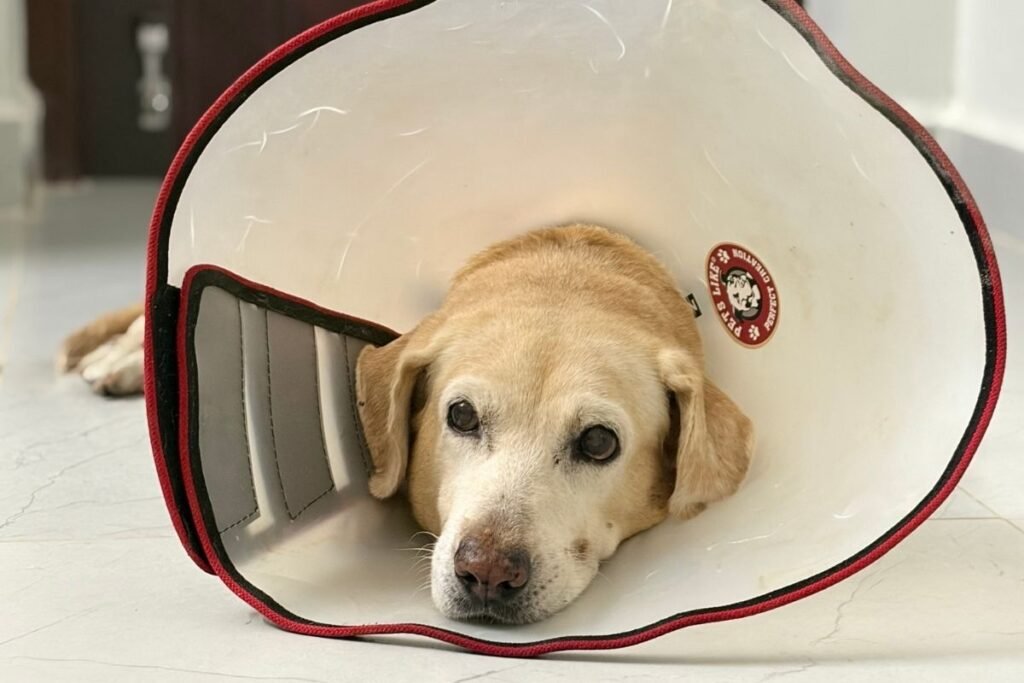
We’ve had dogs who needed special diets, medication, extra cleaning, medical treatment and separate living spaces. When Kiko became seriously ill, her care required considerably more time and attention. That’s when you realise that your capacity to rescue another dog isn’t just about how much space you have today.
So, before taking in another dog, ask yourself:
- Can I afford unexpected veterinary bills and long-term treatment?
- Do I have space to isolate a sick or injured dog and separate dogs who don’t get along?
- Can I manage additional medication, special diets and daily care?
- Will I still be able to care for all my dogs if my finances, work or living arrangements change?
These questions aren’t meant to discourage rescue. They’re meant to prevent a situation where you can no longer care for the animals who depend on you.
Sometimes, Fostering Is the Better Choice
If you already have pets and limited space, taking in another permanent rescue may not be the best option. Fostering a dog while finding a suitable adoptive home can still save a life without stretching your household beyond what it can manage.
Rescue isn’t about taking in as many animals as possible. It’s about giving each animal a safe, stable life.
Think Beyond Today
Adopting a dog can mean a commitment of 10 to 15 years. Think about potential moves, marriage, children, changes in income and work, and whether you could manage expensive treatment for conditions such as cancer, hip dysplasia or osteoarthritis.
Large dogs can be wonderful companions, but their food, space and veterinary needs can be substantial. Rescued dogs of any size may also need long-term medical or behavioural support.
None of this means you shouldn’t rescue. It means making an informed decision before bringing another life into your care.
Pawsitive Takeaway: The Biggest Lesson I’ve Learnt from Living with Multiple Dogs
If there’s one thing years of rescuing dogs have taught me, it’s this: rescue with your heart, but use your head, too.
Coffee taught me not to expect every dog to accept a new puppy. Belji showed me how heartwarming an unexpected friendship can be, while Kiko made it clear that not every dog wants a playful puppy in their space. Milo and Bolt taught me that even relationships that have worked for years can change.
Hence, introducing a rescue dog to your existing pets isn’t about making them best friends. It’s about giving them time to adjust and respecting their boundaries. Some dogs become companions, others need separate spaces. Both are okay, as long as every dog feels safe under your care.