No pet parent ever expects an emergency.
One moment, your dog is happily playing, and the next, you’re trying to stop a bleeding nail, remove a tick, or clean a wound before rushing to the vet. Emergencies cannot be predicted, but you can certainly be prepared to tackle them.
And I learned this the hard way.
A community dog was recovering in my home after his neutering surgery. Like many dogs, he absentmindedly scratched his ear. Unfortunately, because his ear had been notched during the sterilization procedure, it started bleeding profusely. Blood was everywhere, and for a few seconds, panic set in.
Thankfully, I had recently added styptic (clotting) powder to my dog’s first aid kit. I applied it immediately, the bleeding stopped quickly, and I followed it up with mupirocin ointment as advised by my veterinarian.
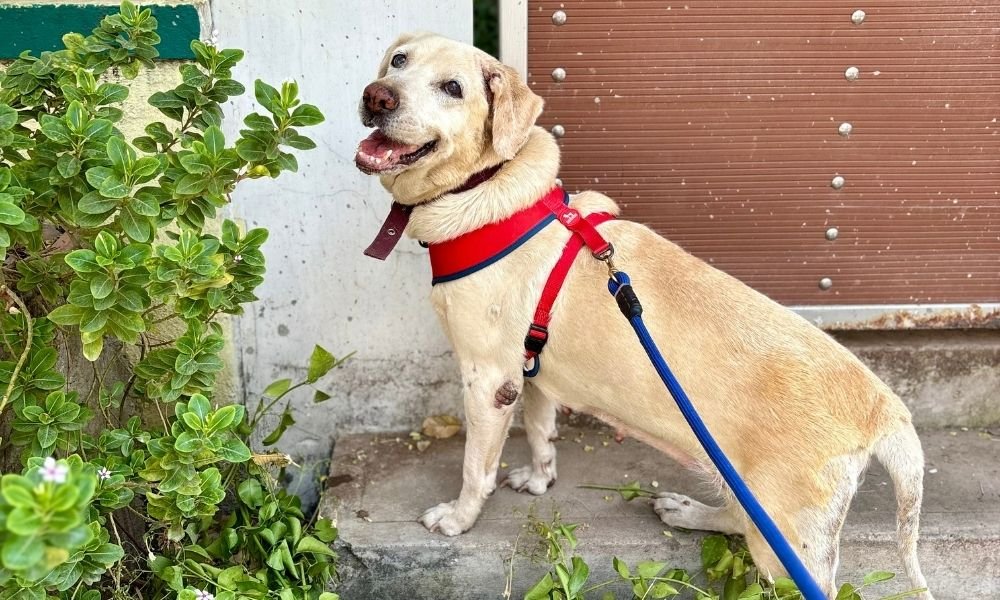
A few months later, my elderly rescue Labrador, Kiko, scratched a small scab on her ear. Although it looked like a tiny wound, ears bleed far more than most people expect. This time, I had run out of styptic powder and had to rely on gentle pressure and mupirocin until the bleeding eventually stopped.
Those two incidents convinced me that every Indian pet parent should keep a well-stocked first aid kit at home.
After caring for my own dogs and treating around 15–20 community dogs over the years, here’s what I believe every dog first aid kit should contain.
Why Every Indian Paw Parent Needs a Dog First Aid Kit
Living in India presents its own set of challenges for our dogs.
Many of our roads and sidewalks have broken glass, sharp metal pieces, thorny bushes, and toxic garbage. And if you have a dog like my rescued Labrador who likes to sniff and sometimes gobble up random things off the road, that’s another constant risk.
During the monsoon, ticks and fungal infections become common owing to overflowing drains, while summers increase the risk of dehydration and heat-related emergencies.
While a first aid kit can never replace your veterinarian but it can surely help stabilize your dog until professional medical care is available.
Dog First Aid Kit Essentials I Personally Keep at Home
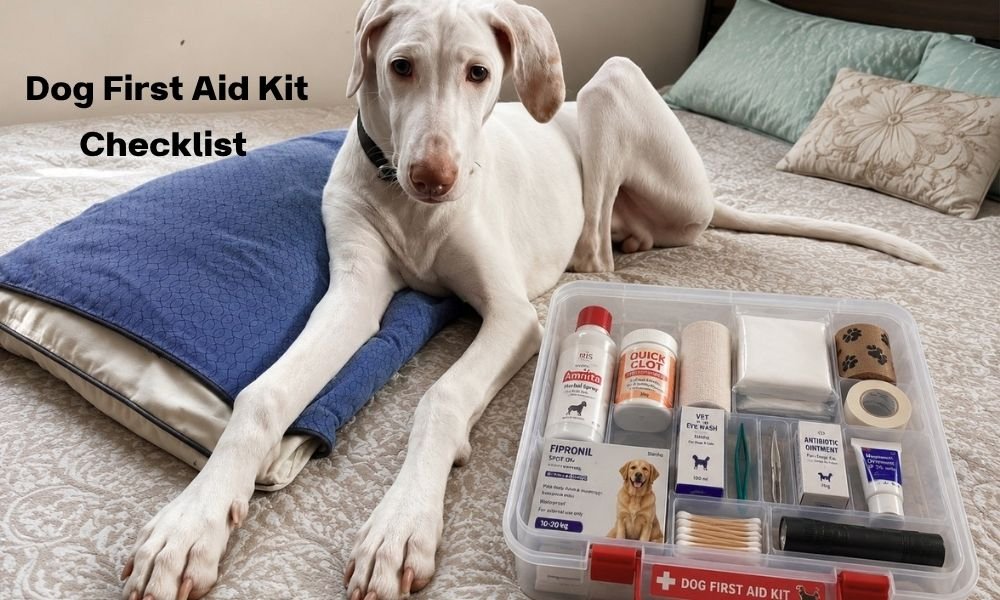
This dog first aid kit checklist includes the essential supplies I use at home and on the go to handle minor injuries and common emergencies until I can reach a veterinarian.
My dog first aid kit currently contains:
- Styptic powder
- Sterile gauze pads
- Cohesive bandage
- Cotton rolls
- Saline solution
- Mupirocin ointment
- Antibacterial wound spray
- Disposable gloves
- Tick tweezers
- Tick comb
- Fipronil spot-on
- Tick repellent spray or powder
- Needleless oral syringe
- Digital thermometer
- Eye wash and sterilized eye wipes
- ORS
- Flashlight
I also make it a habit to carry this kit whenever my dogs accompany me on road trips.
When and How to Use Each Dog First Aid Kit Essentials
Understanding what each item is used for can help you respond more confidently during an emergency while you prepare to get your dog to a veterinarian.
1. Styptic Powder
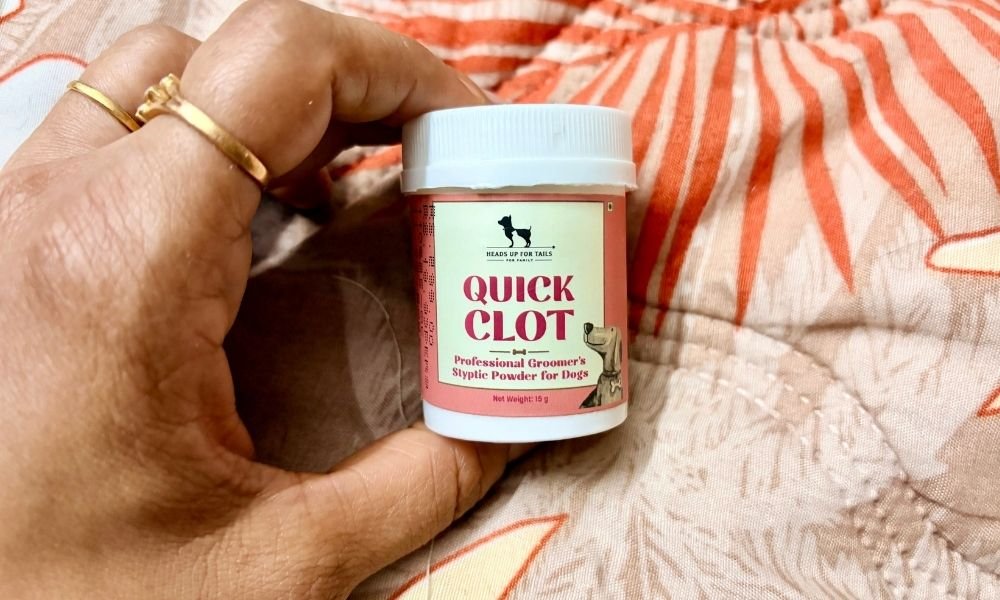
If you’ve never heard of styptic powder before, let me tell you, it’s a lifesaver and you must stock it in your dog’s first aid kit.
Usually made of ingredients like ferric sulfate, potassium aluminium sulfate, bentonite and diatomaceous earth, styptic or haemostatic powder quickly helps stop minor bleeding from accidental nail trims or superficial cuts.
You need to apply the powder directly on the wound with a cotton tip applicator and apply mild pressure to stop the bleeding. However, it is only meant for minor cuts, for a major wound consult your vet.
2. Sterile Gauze & Cohesive Bandage
These are perfect for applying pressure to wounds, or for protecting cuts and temporarily covering injuries while travelling to your veterinarian.
Unlike regular adhesive bandages, cohesive bandages stick to themselves rather than your dog’s fur.
3. Saline Water
Sterile saline solution is useful for gently flushing dirt and debris from minor wounds or rinsing your dog’s eyes if they become irritated.
4. Antibacterial Spray or Ointment
This is probably the item I’ve used the most over the years.
I’ve treated bite wounds in community dogs after mating season, minor cuts, abrasions and superficial injuries using an antibacterial spray before seeking veterinary treatment.
One senior community dog once suffered a deep gash after brushing against a sharp piece of metal. I immediately cleaned the wound, applied antibacterial spray, and then took him to the veterinarian, who prescribed antibiotics and anti-inflammatory medication.
These sprays not only help prevent a bacterial infection but also keep flies and maggots away from the wound.
5. Mupirocin Ointment
Mupirocin ointment is commonly used to help manage minor wounds and bacterial skin infections. This was prescribed by our vet and I usually use it as an initial treatment before taking my dog for a veterinary inspection.
6. Disposable Gloves
Gloves are a must in a dog’s first-aid kit. Since they help protect both you and your dog while handling wounds.
7. Tick Removal Essentials
I think you’ll agree that ticks are one of the biggest problems we Indian dog parents face, especially during the monsoon.
That’s why I always keep tick tweezers, a tick comb, tick repellent spray or powder and Fipronil spot-on treatments handy in the dog first aid kit.
Note To Paw-Parents 🐾
For serious tick and flea infestations I prefer using tick powders with 1% Propoxur. However, for regular tick prevention you can always opt for a natural tick powder or spray.
8. Needleless Oral Syringe
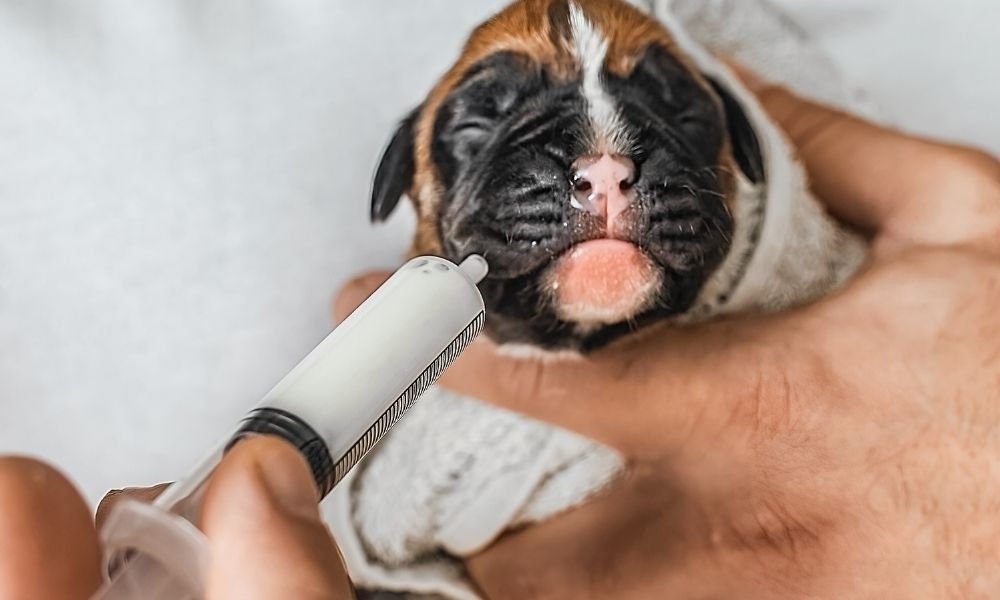
An oral syringe makes giving liquid medicines much easier and also helps administer the correct dosage accurately.
Choose one with clear millilitre markings. These are also useful for feeding neonatal puppies who are yet to be weaned.
9. Digital Thermometer
In case your dog refuses food or looks duller than usual, with a digital thermometer in hand you can always check if they are running a fever. Knowing your dog’s temperature can provide valuable information for your veterinarian during an emergency.
10. Eye Wash and Sterile Eye Wipes
Eye wash and sterile eye wipes are especially useful during car rides and road trips. Many dogs love sticking their heads out of the window to enjoy the breeze, but this can expose their eyes to dust, pollen, and other debris. If something gets into your dog’s eye, a gentle flush with a sterile eye wash solution can help remove the irritant and provide temporary relief while you arrange a visit to the vet if needed.
11. Oral Rehydration Solution (ORS)
ORS can help replace lost fluids and electrolytes if your dog becomes dehydrated due to vomiting or diarrhoea. However, dehydration can become serious very quickly, so ORS should only be used as a temporary supportive measure while you seek veterinary care.
12. Flashlight
A dog first aid kit should always contain a flashlight. It’s extremely useful when examining paws, ears, mouths or injuries during power cuts or late-night emergencies.
Emergency Essentials to Keep Alongside Your Dog’s First Aid Kit
While the below mentioned items aren’t medical supplies, they can make transporting, handling, and caring for an injured dog much safer during an emergency.
Clean Towels
A clean towel can be surprisingly useful for:
- Applying pressure to bleeding wounds.
- Drying your dog in case they get wet.
- Keeping an injured dog warm.
- Carrying small dogs safely.
Slip Lead, Extra Leash, Muzzle & Bite-Proof Gloves
This entire set often comes in handy during community dog rescues. An injured dog, even your own, may panic or become frightened. Wearing bite proof gloves, and keeping a muzzle close by ensures your safety.
While a slip lead and an extra leash makes catching and transporting the dog to the vet much easier.
Pet stretcher
A pet stretcher is invaluable for safely carrying an injured dog that is unable to walk, or helping transport dogs recovering from surgery until the effects of anaesthesia wear off.
Water Bottle and Collapsible Bowl
India’s hot climate can quickly leave dogs dehydrated, particularly during long walks, road trips, or outdoor adventures. A water bottle and collapsible bowl make it convenient to keep your dog hydrated wherever you go.
Car hammock
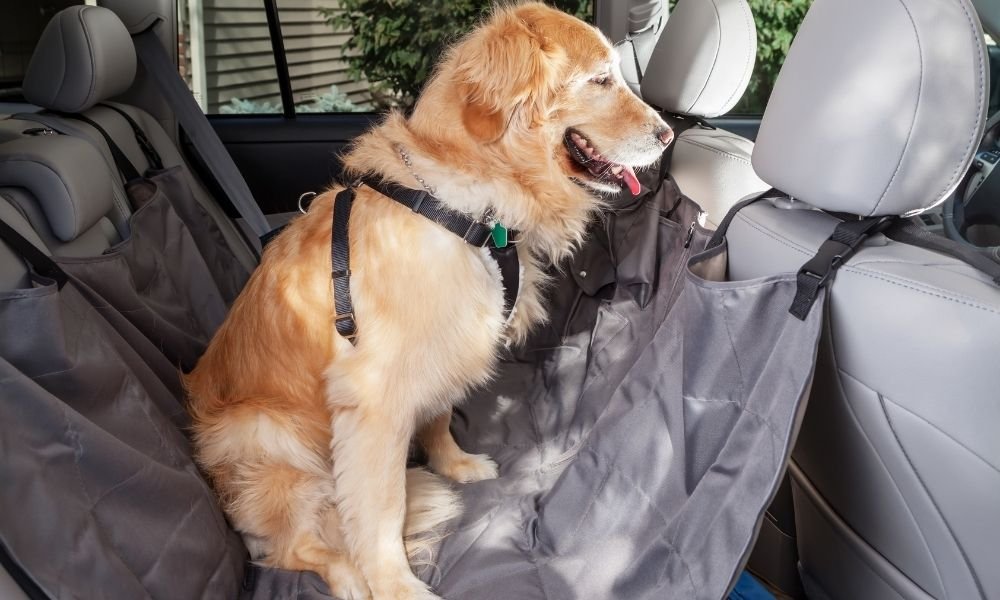
When I rescued my elderly Labrador, Kiko, she had a festering dog bite on her ear and was covered in blood. We rushed her straight to the vet because the wound needed professional cleaning. Luckily we had a hammock stacked in the boot of our car. And this is why I always recommend keeping a car hammock in your vehicle. It gives an injured dog a more secure and comfortable place to lie during the journey while protecting your car seats from blood, mud, fur, or accidents.
And last but not the least, an emergency contact card with your veterinarian’s number and the nearest 24-hour veterinary hospital.
Most Common Dog Emergencies in India
Based on my own experience, these are some of the most common situations Indian pet parents should prepare for:
- Tick and other parasitic infestations.
- Injuries from dog fights, especially during mating season.
- Cuts from nails, broken glass and other sharp objects during walks.
- Paw burns during summer.
- Monsoon fungal infections.
- Leech bites in gardens or in hilly regions especially during the monsoons.
- Dehydration, or heatstroke during summer.
- Cuts and minor bleeds during nail clipping.
A Few Things Rescue Work Has Taught Me
Rescuing community dogs has taught me one lesson above all else and that is: preparation saves time.
I’ve found tick tweezers, antibacterial sprays and wound-care supplies invaluable when helping injured street dogs before they receive veterinary treatment.
And while we’re on the topic, here’s a little trick that’s made giving tablets much easier over the years.
Many pet parents struggle to give their dogs medication because our clever furry friends have an incredible knack for sniffing out a hidden tablet and spitting it right out.
My solution? Palkova.
I simply roll a small piece of Palkova (a traditional Indian milk sweet) into a ball and hide the tablet inside. I’ve used this trick successfully with my own dogs as well as community dogs receiving antibiotics, and more often than not, they happily gobble it up without a second thought.
Just remember that Palkova should only be used in very small quantities to disguise medication not as a regular treat, especially for dogs with diabetes, obesity, or dietary restrictions.
Dog First Aid Mistakes Every Indian Pet Parent Should Avoid
During emergencies, panic makes us follow advice circulating on social media. Unfortunately, not all of it is safe.
Avoid these common mistakes that can put your dog at risk:
- Don’t sprinkle household turmeric directly onto open wounds. It isn’t sterile and sometimes contains colours and preservatives that can interfere with proper wound cleaning.
- Don’t pour strong antiseptics solutions directly onto your dog’s wounds unless advised by your veterinarian. A saline water flush is always safer.
- Don’t give human painkillers or antibiotics without veterinary guidance. Medicines safe for us can be toxic to dogs.
- Don’t rely on Instagram influencers for emergency medical advice when your dog needs a veterinarian.
When Your Dog First Aid Kit Isn’t Enough
Remember, a dog first aid kit is meant to stabilize your pup. It is not a replacement for professional medical care.
Visit your veterinarian immediately if your dog is dealing with any of the below mentioned conditions:
- Deep bite wounds
- Heavy or persistent bleeding
- Suspected fractures
- Snake or insect bites
- Poisoning
- Heatstroke
- Difficulty breathing
- Seizures
- Fever and lack of appetite
- Collapse or unconsciousness
Whenever you are in doubt, do not self-diagnose diseases or resort to random information circulating on Google or on social media, always choose the veterinarian.
Pawsitive Takeaway
No one buys dog first aid kit essentials hoping to use it. I certainly didn’t.
But after caring for my own dogs and treating community dogs over the years, I’ve realised that even a simple kit can make a tremendous difference during those first few minutes of an emergency.
And remember, while a well-stocked dog first aid kit can help you manage minor situations, it should never delay proper veterinary treatment. If something doesn’t feel right, trust your instincts, stabilise your dog if you can, and head to the nearest veterinarian instead of waiting for answers on social media.
Your dog will always thank you for acting quickly.
FAQs Regarding Dog First Aid Kit Essentials For Indian Pet Parents
Can I make a dog first aid kit at home?
Absolutely. Start with essential wound-care supplies, tick removal tools and emergency contact numbers, then gradually add more items as your budget allows.
Should every dog owner keep styptic powder At Home?
In my opinion, yes. It has been one of the most useful additions to my own dog first aid kit and can quickly control minor bleeding from over clipped nails and superficial injuries.
Can I use activated charcoal If My Dog Is Accidentally Poisoned?
Activated charcoal should only be given if specifically recommended by your veterinarian or a poison expert, as it is not appropriate for every poisoning.
How often should I check my Dog first aid kit?
It’s advisable to review your dog’s first kit every few months. You should replace expired medicines and restock anything you’ve used.
Where to buy essential items for a dIY dog first aid kit?
Dog first aid kit essentials are usually available at pet stores, online platforms like Amazon or at a vet clinic.