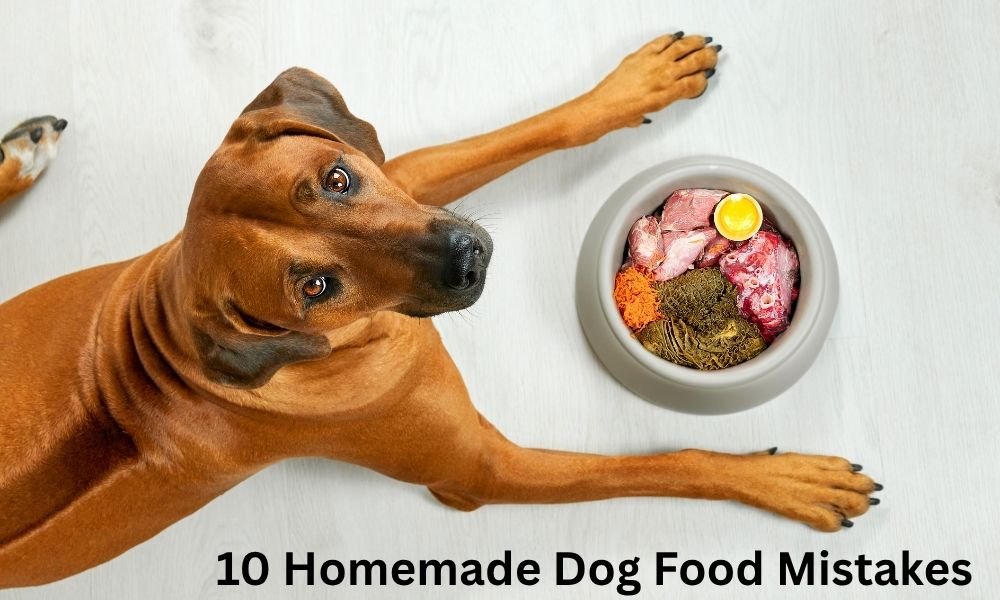
Hundreds of pet parents are switching to fresh, homemade meals for their dogs, and honestly, why not?
As veterinarians and canine nutritionists around the world continue raising concerns about artificial preservatives, colours, and flavour enhancers in processed dog food, many millennial and Gen Z dog parents are consciously shifting towards healthier meals for their furry companions.
However, a big concern is that many homemade diets can become nutritionally incomplete without dog parents even realizing it. And the effects usually don’t show up overnight. A dog may seem perfectly fine for months before issues like dull coat, weak immunity, digestion problems, weight gain, or nutritional deficiencies slowly start appearing.
So if you’re someone who is planning to switch from processed kibble to healthy, homemade food for your dog, this article is for you.
With over six years of experience and after much discussion with fellow pet parents and our vet, I’ve listed the most common homemade dog food mistakes Indian dog parents unknowingly make, and how to easily avoid them.
Common Homemade Dog Food Mistakes Indian Pet Parents Make
A quick glance at these common mistakes can help you plan a homemade diet that’s healthier, and truly nourishing for your dog in the long run.
1. Feeding Only Chicken and Rice for Months
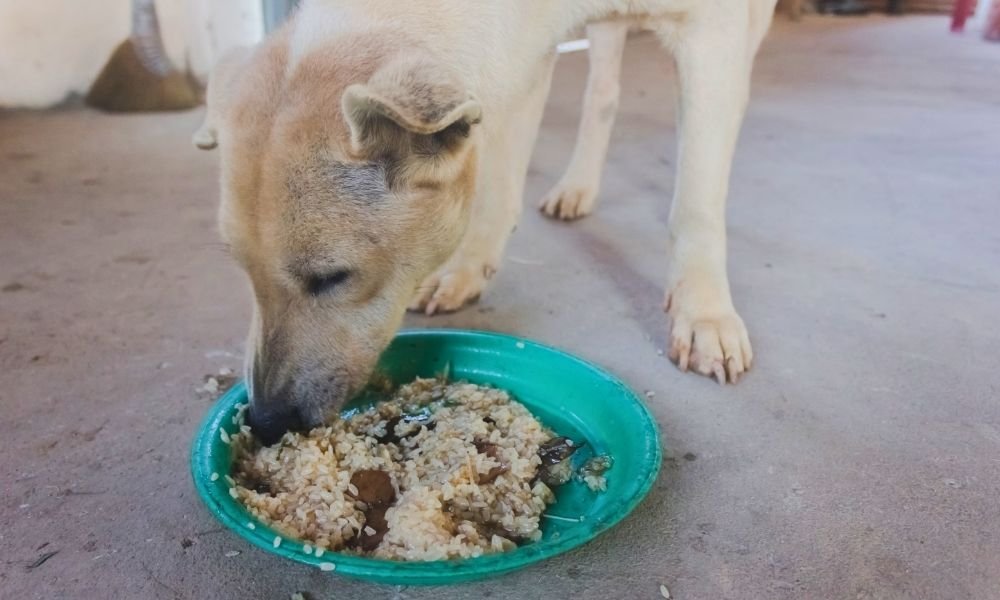
Chicken and rice is probably one of the most commonly fed homemade meals in Indian households. And to be honest, our dogs love it.
But the problem starts when it becomes your dog’s everyday diet. Rice is mainly carbs, and chicken meat, though a great source of protein, misses out on other important nutrients such as vitamins, minerals, healthy fats, and calcium.
However, you can easily prep a more balanced meal by adding some veggies, offal (chicken heart, liver, gizzard), an egg, and a drizzle of coconut oil or chicken fat to that bowl of chicken and rice.
2. Not Including Enough Protein Variety
Many Indian dog parents rely on only one protein source forever, usually chicken. While chicken is great, different protein sources provide different nutrients.
Depending on your dog’s tolerance and your vet’s advice, you can include:
- Eggs
- Fish
- Lean mutton occasionally
- Organ meat in moderation
- Curd in small amounts
- Or Paneer, for dogs who are not lactose intolerant.
Dogs eating the exact same homemade meal every day may also miss out on nutrient diversity over time. Including a variety of protein sources can help create a more balanced diet while also supporting a healthier and more diverse gut microbiome.
3. Completely Avoiding Fats
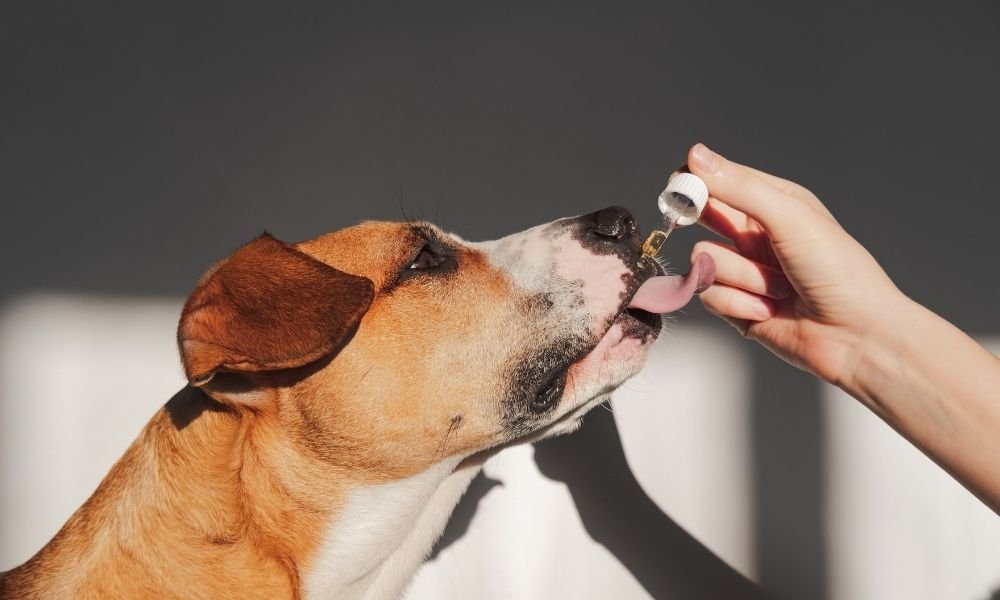
This is a very common mistake in Indian households because many people associate fats with “unhealthy food.”
But healthy fats are actually essential for dogs. Since they support:
- Skin health
- Coat quality
- Brain function
- Joint health
- Energy levels
Dogs fed ultra low-fat homemade diets may eventually develop dry skin, flaky coat and experience excessive shedding or even low energy.
Some healthy fats that you can add to your dog’s homemade meals are:
- Egg yolk
- Fish oil
- Sardines or similar fatty fish
- Small amounts of good-quality oils like coconut oil or ghee.
4. Overfeeding Rice, Roti, or Carbohydrates
I can write paragraphs on why rice, roti or any kind of grains should not be the main ingredient in your dog’s meal. Rice is easily digestible and helps to bulk up a meal but offers very little nutritional value.
Unfortunately, in many Indian homes, homemade dog meals accidentally become carbohydrate-heavy. Sometimes the meal ends up being mostly rice, multiple rotis, biscuits and snacks and very little actual protein.
Now, dogs do digest carbohydrates, but their meals should still remain protein-focused overall. Excess carbs combined with low activity can contribute to:
- Unhealthy weight gain or Obesity
- Lethargy
- Poor muscle condition
- Joint problems
- Heart conditions
These issues become especially common in breeds that are prone to obesity like Labradors, Beagles, Rottweilers, Pugs. And in spayed or neutered dogs due to reduced metabolism. Senior dogs are also at risk owing to a less active lifestyle.
A balanced homemade meal should not look like leftovers scraped from a human plate. It should still be built around the dog’s nutritional needs.
5. Forgetting Calcium Completely
With chicken meat, rice and veggies being the standard homemade dog meal in Indian homes, calcium often gets overlooked. This is one of the biggest homemade dog diet mistakes.
This creates an imbalance between calcium and phosphorus in the diet, especially in meat-heavy meals. Over time, that imbalance may affect bone health, joints, teeth and growth in puppies.
A simple addition of raw meaty bones as treats, or curd, calcium supplements or properly prepared eggshell powder to your dog’s meal can help you prepare the perfect balanced diet.
6. Adding Too Much Salt, Masala, or Oil
While a pinch of turmeric in your dog’s food can create magic, too much salt and spices can wreak havoc in your dog’s digestive system.
Unlike humans, dogs have a much simpler digestive system. So offering human food leftover can lead to:
- Stomach upset
- Vomiting
- Loose stools
- Long-term digestive irritation
A dog’s homemade meal doesn’t need to taste like restaurant food to be nutritious.
I usually add a pinch of turmeric (for anti-inflammatory benefits), a pinch of pepper, a drizzle of coconut oil ( for better absorption of curcumin) and a few cumin seeds (for digestive benefits).
7. Assuming All Human Food Is Safe for Dogs
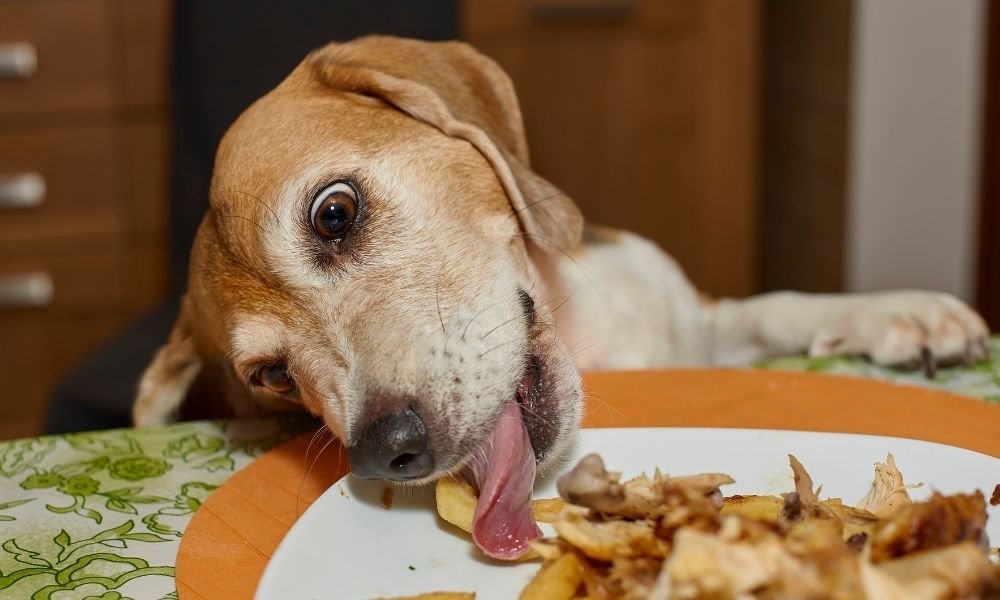
Apart from well-known toxic foods like grapes and chocolate, many human foods that people casually share with dogs can also be unhealthy when given regularly. These include:
- Fried snacks
- Bakery items
- Sugary biscuits
- Sweets
- Processed foods
- Salty chips
Many pet parents also unintentionally overfeed treats throughout the day simply because their dog looks excited or happy.
But our dogs will often enthusiastically eat things that are not actually good for them. Responsible pet care sometimes means setting boundaries, even with a dog you love.
8. Ignoring Portion Control
If you just winced while reading this heading, you know where you went wrong with your furry friend. Indian pet moms love setting aside a snack for their furry companions every time they sit down to have something themselves.
However, unlike us humans, dogs do not require three meals and two snacks a day. Feeding your dog twice a day is the best practice and even once a day if your dog is a small or toy breed.
Extra spoonfuls slowly add up over time. And weight gain in dogs can increase the risk of:
- Joint stress
- Arthritis
- Diabetes
- Obesity
- Breathing difficulties
- Lower energy levels
And this is often common in breeds which are prone to obesity like labradors, Rottweiler, Pugs, Beagles, or senior dogs with less activity and in sterilised dogs. So irrespective of whether you are feeding a homemade or a kibble diet, portion needs to be adjusted according to the dog’s breed and size. And in case you are unsure, you can always consult your vet or a canine nutritionist.
9. Switching Suddenly from Kibble to Homemade Food

You’ve been watching too many reels from canine nutritionists all over the world telling you how processed food is bad for your dog. And one fine day you decide to make the switch. However, things don’t go as planned and despite serving a freshly made nutritious homemade meal your dog has loose stools. And you’re left wondering what went wrong.
Luckily, you’re not the only pet parent who has faced this and I talk from experience. The problem is not the fresh, nutritious meal but the sudden change in diet.
Dogs eating the same kibble for months or years develop a gut microbiome that’s efficient at digesting that specific combination of ingredients, fiber types, starches, fats, and proteins. When you switch to a fresh diet, the gut microbiome needs time to adapt to different ingredients, causing shifts in bacterial populations and fermentation patterns that can temporarily lead to loose stools or gas.
Fresh food also contains significantly more moisture than kibble, which can naturally soften stools. In addition, fresh diets are often higher in fat, especially when ingredients like chicken skin, eggs, or organ meats are included, and a sudden increase in dietary fat is a common trigger for diarrhea.
Also, fresh food is often more digestible than kibble. And while that sounds like a good thing, but initially it can alter gut motility. Some dogs pass stool faster until their digestive system adjusts.
The transition phase can be confusing and many pet parents may feel that the loose stools prove that fresh food doesn’t suit their dog. But that’s not necessarily true. My suggestion is that you make a gradual shift from kibble to fresh food. Initially let fresh food be just 20% of your dog’s diet and then slowly increase over a period of 2-3 weeks. This will allow your dog’s gut to adjust to the new diet.
Also, add a good probiotic supplement to improve your dog’s overall gut health. In case you are not sure which probiotic supplement available in India is best for your dog, you can quickly read through our personal recommendations. We’ve personally used these brands and found them helpful for our own dogs.
10. Never Consulting a Vet for Long-Term Homemade Diets
Homemade feeding often becomes more complicated if the dog has kidney disease, liver problems, allergies, pancreatitis, growth issues or old age-related conditions. Also, many dogs may still require supplements even while eating homemade food. This is why long-term homemade diets should ideally be discussed with a trusted vet, or a certified canine nutritionist.
Remember that the goal is not to avoid kibble at all costs. It is to make sure your dog gets a balanced diet that meets their nutritional needs, whether that’s through kibble, homemade food, or a combination of both.
Pawsitive Takeaway
As a pet mom to six dogs, I’ve realised overtime that homemade food can work very well for dogs. But it does require a bit more planning than simply replacing kibble with chicken and rice. Nutritional gaps are often small at first and easy to miss, but they can will show up over time as deficiencies or diseases.
So, instead of chasing the “perfect” diet, or trying to recreate every Insta recipe, focus on variety, balance. Most healthy dogs do well when their meals include a variety of ingredients and are adjusted to their age, activity level, and overall health.
Most importantly, pay attention to the dog in front of you. A healthy coat, good energy levels, normal stools, a steady appetite, and a healthy body weight will tell you far more about how a diet is working than social media debates ever will.
FAQs On Common Homemade Dog Food Mistakes
is protein rotation necessary or can I feed the same meat every day to my dog?
Adding variety proteins to your dog’s bowl can help provide a wider range of nutrients and may support a more diverse gut microbiome. Simple rotation between chicken, fish, eggs, mutton, or other dog-safe proteins can add nutritional variety without making homemade meals complicated.
Can homemade food cause weight gain in dogs?
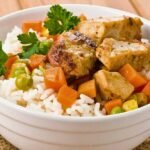
Not necessarily as long as it well planned, preferably with the help of your vet or a certified canine nutritionist. The problem with Indian homes is that homemade dog meals tend to be carb-heavy with generous portions of rice, roti, paneer, or fatty cuts of meat. A dog’s meal needs to be 80% protein (chicken /fish/ eggs / red meat), and the rest should be fibre (veggies, fruits and berries), while carbs (rice/ grains) are optional.
Is it safe to feed My Dog liver every day?
While liver is highly nutritious, too much can be difficult to digest and also lead to excess Vitamin A in the body over time. It is best to feed liver in moderation as part of a varied diet rather than as a daily staple.
Do dogs need supplements if they eat homemade food?
Not every dog requires supplements, but some homemade diets may fall short in nutrients such as calcium, omega-3 fatty acids, zinc, or certain vitamins. Whether supplements are needed depends on the ingredients being fed and the dog’s life stage. I usually add a probiotic supplement to all my dogs’ diet and also a hip and joint supplement to my Rottweiler’s diet since he’s just turned 5.
Can puppies eat the same homemade food as adult dogs?
Not always. Puppies have higher requirements for protein, calcium, phosphorus, and calories to support growth. A homemade diet that works well for an adult dog may not provide the right nutrition for a growing puppy.