Quick Highlights
👉Explore foods that actually improved my dogs’ poop, digestion and skin.
👉Learn what’s genuinely probiotic vs what’s just internet hype.
👉Learn how to add these to daily meals without changing your routine.
Most Indian pet parents still think probiotics are only for humans. In reality, natural prebiotics & probiotic foods for dogs can make a huge difference in your dog’s digestion, stool quality, skin health, and immunity.
And I learned this over time with my own four pups. In India, the heat, humidity, monsoon worms, and the occasional antibiotic courses affect our dogs’ gut health.
Adding natural prebiotic and probiotic foods into your dog’s daily meals can help prevent loose stools, skin allergies, and boost their immune system.
Before we get into the list, here’s a simple explanation:
Probiotics are live good bacteria that improve your dog’s gut health.
Prebiotics are the fibres that feed these good bacteria and help them grow.
Both work together. So this list includes prebiotic and probiotic foods for dogs, all safe and easily available for Indian households.
What Are The Best Probiotic Foods for Dogs?
These natural probiotic foods for dogs contain live good bacteria and support digestion directly.
1.Homemade Curd
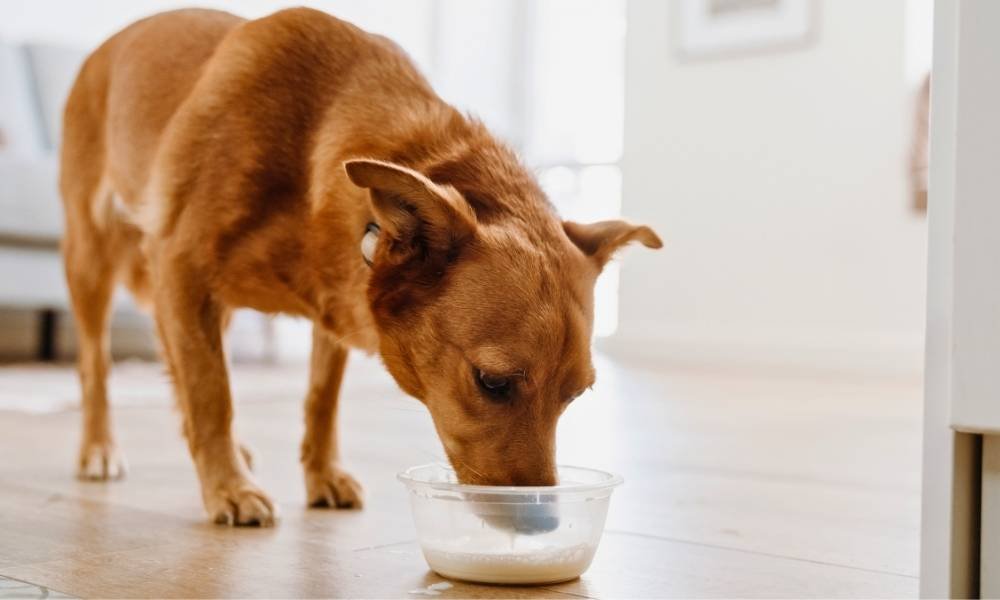
Curd (Dahi) is my most trusted and easily the best homemade probiotic for dogs. All four of my pups love curd, which makes life easy for me. I prepare curd at home and mix it into their meals daily.
When I started adding curd regularly, I noticed that Luna, my Indie girl, had fewer allergy flare-ups. Her contact allergy issues became less frequent, and her skin began looking healthier. Curd is budget-friendly, easy to digest, and one of the best natural probiotics for dogs in India.
2. Buttermilk
On hot and humid Chennai days, buttermilk works beautifully. It is lighter than curd and perfect for dogs who cannot handle thick dairy. I make simple homemade buttermilk or lassi, and sometimes blend in fruits like apples and blueberries.
It is gentle, hydrating, and a great natural probiotic for dogs.
3. Goat Milk or Goat Milk Powder
Goat milk is known for its prebiotic and probiotic benefits. I’m planning to try goat milk powder for my pups in moderation because it’s easier to digest than cow milk. It is especially useful for dogs with sensitive stomachs.
If your dog is recovering from antibiotics or has mild tummy issues, goat milk can support gut repair.
4. Kefir (If available)
Kefir is a stronger probiotic than curd, but it’s not as easily available across India. If you do find plain, unsweetened kefir, it can be a great way to boost beneficial bacteria. Personally, I’ve found curd to be more practical and sustainable for daily use.
What Are The Best Prebiotic Foods for Dogs?
These prebiotics for dogs feed the good bacteria and help probiotics work better.
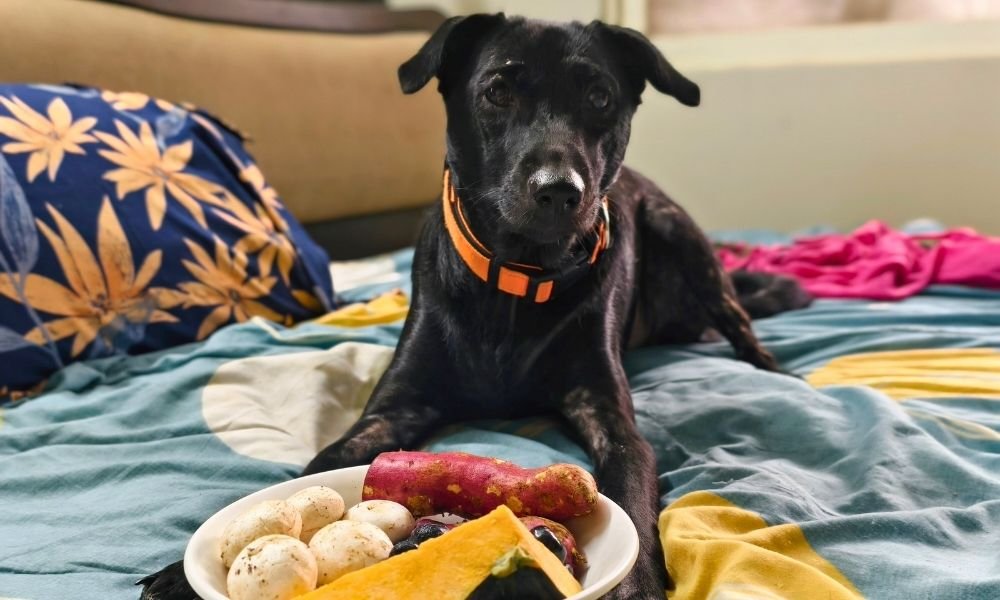
5. Yellow Pumpkin
Pumpkin has been a complete game-changer for my dogs. After I started feeding pumpkin regularly, their stool became bulkier, easier to pass, and overall healthier. My Rottweiler has a sensitive stomach, and my Rajapalayam used to struggle with very dry, hard stools. After seven months of consistent homemade food with prebiotics like pumpkin, those issues are gone.
Pumpkin is gentle, soothing, and one of my top prebiotic choices for dogs in India.
6. Sweet Potatoes
On days when I don’t use pumpkin, I switch to sweet potatoes. They are rich in fibre, support gut bacteria, and help maintain good stool quality. Sweet potatoes are filling, easy to digest, and perfect for homemade meals.
This is another safe and affordable prebiotic food for Indian dog parents.
7. Bananas (Small Quantity Only)
Bananas are natural prebiotics and great for digestion when given in small amounts. I sometimes add tiny pieces into lassi or mix it with curd when the pups need a change of taste.
8. Apples

Another simple, Indian fruit that can support your dog’s gut health. Peeled and de-seeded apple slices are great for fibre and stool bulk. My dogs love it as an occasional treat.
9. Blueberries
Blueberries are excellent antioxidants and have mild prebiotic benefits. My dogs don’t like the tanginess of plain blueberries, so I blend them into their curd or lassi. This makes it easier to feed and adds variety to their meals.
10. Mushrooms (Occasionally)
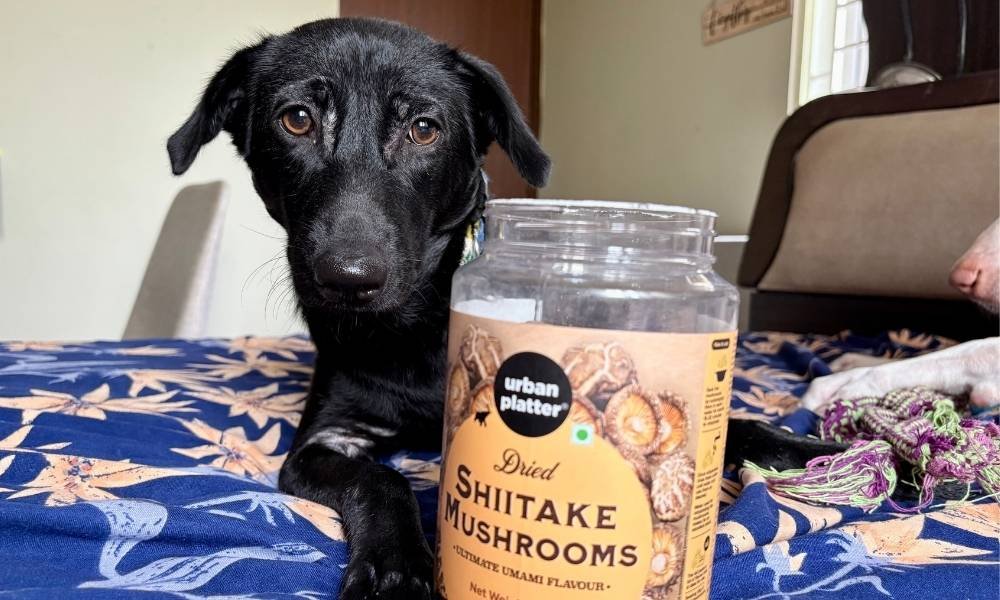
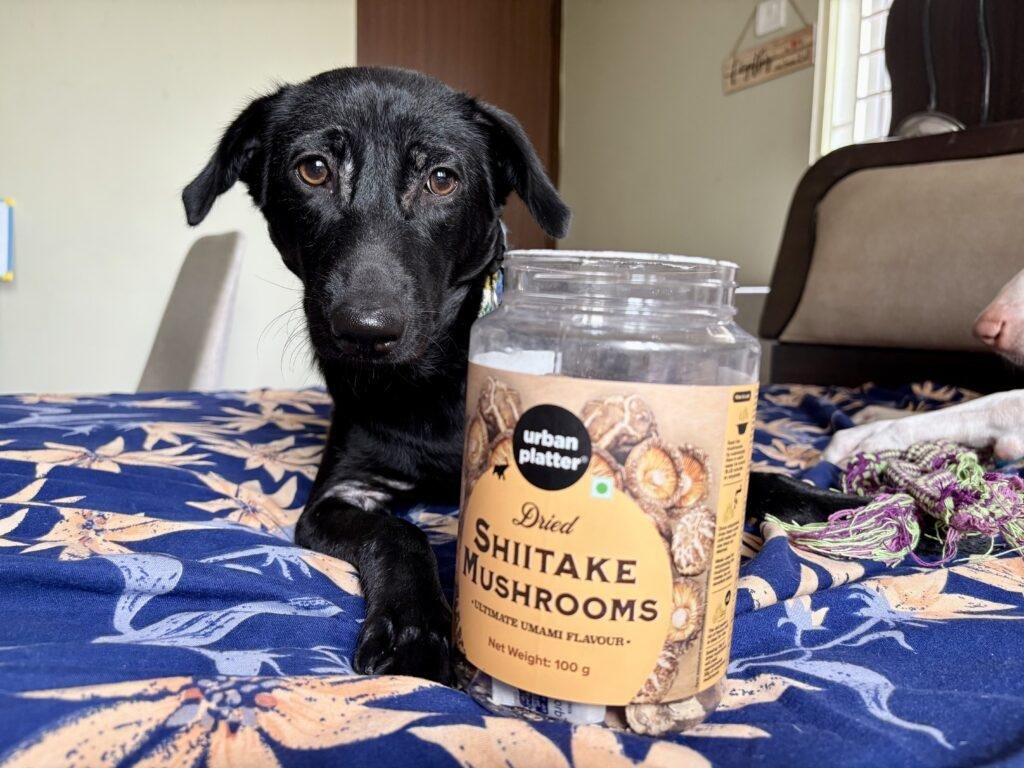
Store-bought mushrooms, such as button, oyster, and Shiitake mushrooms, in moderate amounts are considered safe for dogs. Mushrooms offer fibre and nutrients that support the gut. I give them occasionally and always cook them properly.
How I Prepare Homemade Probiotic Dog Meals
In this section, let me show you how probiotics and prebiotics fit into real daily meals.
I cook my dog’s food using a simple pressure cooker method on medium heat for just one whistle.
Their typical meal includes chicken and offal, pumpkin or sweet potatoes, green beans, a pinch of turmeric, pepper, a little coconut oil, and a tiny amount of jeera or cumin seeds. After the food cools down, I mix in homemade curd and top it with a few blueberries.
This combination has worked extremely well for all four pups. Their digestion, stool quality, skin, and energy levels have improved noticeably.
Probiotic Foods for Dogs: My Real Results at Home
- Pumpkin improved their stool formation.
- Luna’s contact allergy flare-ups became less frequent.
- My Rottweiler’s sensitive digestion stabilised.
- My Rajapalayam no longer struggles with dry, hard stools.
- Regular use of curd and buttermilk kept their gut healthy even during Chennai’s humid weather.
These changes didn’t happen overnight. It was slow and steady, but entirely worth it.
Common Mistakes Made By Indian Dog Parents
Here are the misconceptions I see often regarding probiotics for dogs:
Carrots are overrated.
People feed too many carrots, which are very high in fibre (and not easily digestible) and end up disturbing the gut. Pumpkin and sweet potato are much safer for daily use in homemade dog meals.
Thinking Idly and Dosa are probiotics.
The fermented batter may have live cultures, but they don’t survive once cooked. However, you can give your dog an occasional idli as a treat since it’s easy to digest owing to the presence of short-chain fatty acids (a type of postbiotics).
Ignoring gut health during antibiotic courses.
Antibiotics don’t differentiate between good and bad bacteria and end up eliminating both. Hence, adding probiotics for the dog’s gut health during and after antibiotics is important.
Natural Foods vs Probiotic Supplements For Dogs
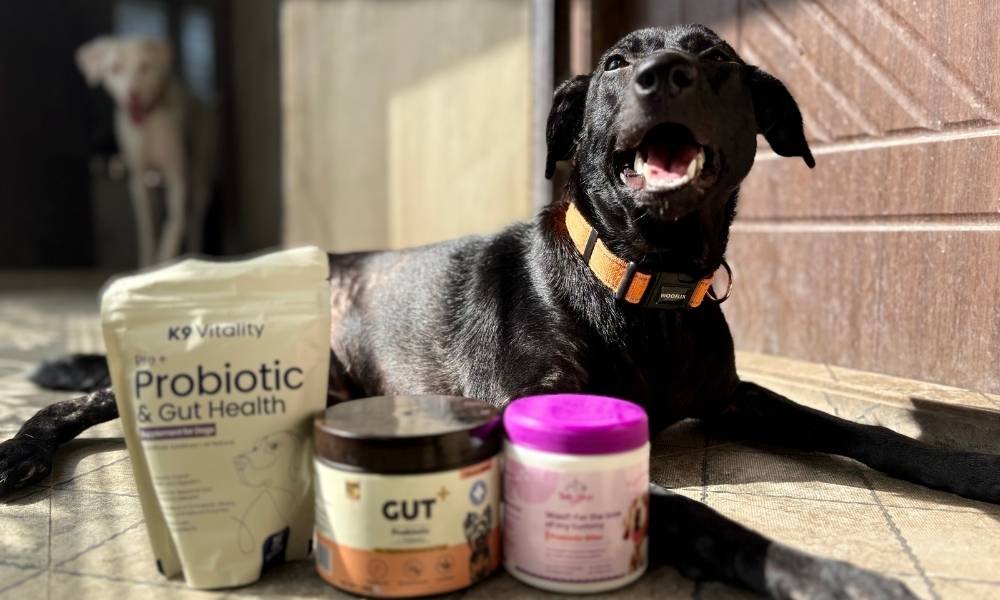
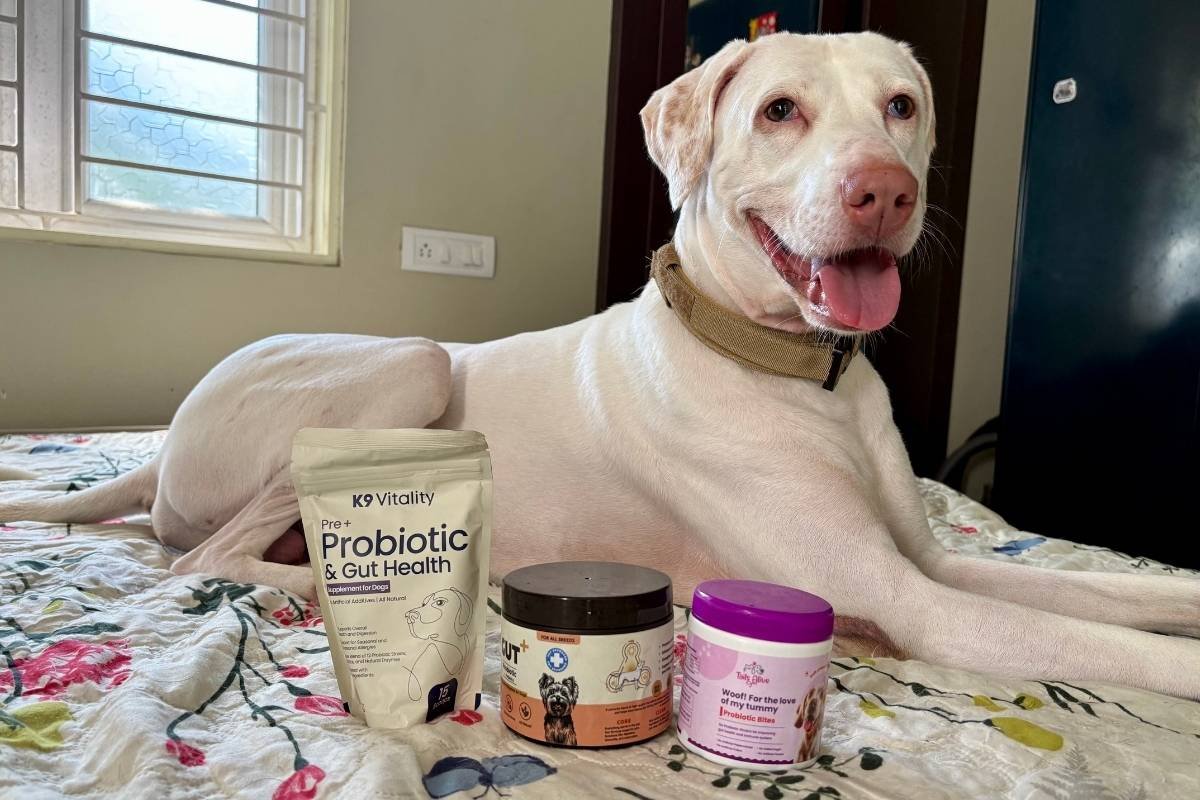
While natural prebiotic foods create the right environment in the gut, a probiotic supplement adds the beneficial bacteria directly. Together, they work better than either one alone. I noticed this clearly with my Rottweiler. After antibiotics, his digestion recovered much more quickly when I paired his homemade meals with a good probiotic supplement for dogs.
Pawsitive Takeaway
Supporting your dog’s digestion doesn’t have to be complicated or expensive. Simple kitchen foods like curd, pumpkin, sweet potatoes, bananas and apples can do a lot for gut health. Pairing these probiotic foods for dogs with a good probiotic supplement makes the routine even stronger. Since you’re providing both the good bacteria and the nutrients that help them thrive.
Start slow, observe your dog and build a routine that suits your climate and lifestyle. My pups have benefited from this simple mix of natural foods and supplements, and I hope yours do too.
FAQs On Natural Probiotic Foods For Dogs
What’s the best natural probiotic for a dog?
Plain homemade curd is one of the best natural probiotics for dogs, since it’s rich in live good bacteria and easy to digest. Buttermilk is another gentle, dog-friendly option, especially in warm climates. If available, plain unsweetened kefir is also a strong natural probiotic source.
How to make homemade probiotics for dogs?
You can make homemade probiotics for dogs by preparing plain curd at home. Boil milk, let it cool till lukewarm, mix in a small spoon of starter curd and leave it to set overnight. Once it thickens, you can add a spoon or two to your dog’s meal. You can also make buttermilk by whisking this curd with water, or kefir if you have kefir grains at home.
Which has more probiotics, curd or buttermilk?
Curd usually has more probiotics than buttermilk, because it contains a higher concentration of live cultures from the fermentation process. Buttermilk is lighter and still has beneficial bacteria, just in smaller amounts, making it a gentler option for dogs with sensitive stomachs.
Can I give curd daily to my dog?
Yes, you can give curd daily to your dog as long as they tolerate dairy well. Plain, unsweetened homemade curd supports digestion, improves stool quality and provides natural probiotics. Start with small amounts in diluted form and increase gradually to see how your dog responds.
What human probiotic can I give to my dog?
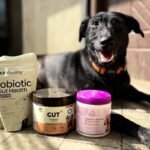
It’s best not to give human probiotic capsules or powders to dogs because the strains and dosages are formulated for humans, not pets. Instead, choose a dog-specific probiotic supplement or natural options like curd, buttermilk or kefir, which are safe and effective for canine gut health.
Can I give my dog yogurt as a probiotic?
Yes, you can give your dog plain yogurt as a probiotic, as long as it’s unsweetened and free from flavours or artificial sweeteners. Yogurt contains beneficial bacteria that can support digestion and gut health of your dog.
How do I tell if my dog needs a probiotic?
Your dog may benefit from probiotics if they often have loose stool, constipation, recurring skin irritation, frequent UTIs, or show stress-related behaviours like restlessness, whining or excessive barking.